Source Non Comedogenic Foundation Stick for Face, Cheek, and Eye
Explore 30 options for non comedogenic foundation stick products suitable for face, cheek, and eye application. Compare specifications including waterproof formulas, herbal ingredients, and OEM customization to find the right supplier for your makeup needs; compare the available evidence and request quotations based on your requirements.
Key considerations
Products List




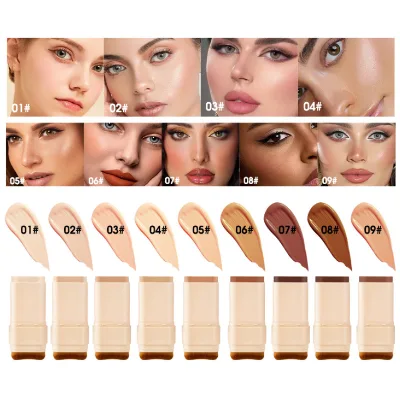


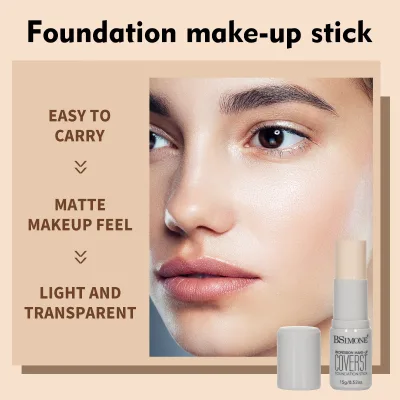


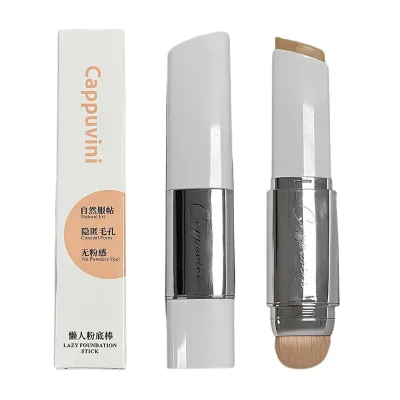
Comprehensive Sourcing Guide
Non Comedogenic Foundation Stick Sourcing Guide
Procurement teams must first distinguish between liquid and stick formulations when sourcing non-comedogenic foundations, as the supplied data indicates a diverse market offering both forms. While many listings highlight liquid face foundations with customizable volumes, specific entries confirm the existence of stick products designed for waterproof and sunscreen applications. Buyers should verify that the "stick" form factor aligns with their specific packaging requirements, as the material composition often shifts from plastic and resin handles in brushes to solid chemical bases in sticks.
The observed product attributes reveal a strong emphasis on multifunctional benefits, including oil control, anti-wrinkle properties, and brightening effects alongside non-comedogenic claims. Sourcing strategies must account for the fact that "non-comedogenic" is often paired with other performance claims like antibacterial and anti-inflammatory features in the same product lines. Buyers need to scrutinize the main ingredient lists, which range from chemical bases to herbal formulations, to ensure the specific non-comedogenic mechanism matches the intended skin type and application environment.
Product Scope and Observed Listing Signals
The market for foundation sticks presents a wide range of customization options, with many suppliers offering OEM and ODM services to tailor product names and packaging. Listings indicate that while some products are standardized, others allow for customized standards and specific model numbers like Q517 or ES-038, suggesting a flexible supply chain capable of meeting diverse branding needs. Procurement teams should note that the "Customization" attribute is frequently available, yet some entries explicitly state "Non-Customized," requiring careful filtering to identify the exact level of flexibility required for the project.
Observed listing signals also highlight specific functional attributes such as waterproofing and sunscreen protection, which are critical for foundation sticks intended for long-wear applications. The data shows that products are often marketed for use on the face, cheeks, eyes, and eyelashes, indicating a versatile scope that extends beyond simple complexion correction. Buyers must verify that the specific stick formulation supports these multi-area applications without causing irritation, as the "All Skin Type" and "All Skin Types" attributes suggest broad compatibility but do not guarantee individual tolerance for every user.
Technical Specifications to Verify
Technical verification begins with the physical form and material composition, as the supply data distinguishes between liquid, stick, and brush-based application tools. Buyers must confirm that the stick product utilizes a chemical or herbal main ingredient that remains stable in its solid form, distinct from the liquid foundations that rely on different viscosity profiles. The presence of plastic and resin materials in related brush components suggests that the stick mechanism itself may involve similar durable polymers, which must be evaluated for safety and user experience.
Shelf life and volume specifications are equally critical, with observed data indicating a standard shelf life of three years for liquid foundations and customizable volumes for other forms. For stick foundations, the standard weight or density is not explicitly uniform across all listings, with some entries citing specific weights like 58g or 20g while others list "customized" standards. Procurement teams should demand precise density and weight specifications for the stick format to ensure consistent application and dosage, as these factors directly influence the product's performance and consumer satisfaction.
Compliance and Safety Documentation
Compliance verification requires a thorough review of the certification landscape, as the supplied facts list a robust array of standards including ISO, GMPC, FDA, GMP, MSDS, and REACH. These certifications are essential for validating the safety of chemical and herbal ingredients used in non-comedogenic formulations, particularly for products applied to sensitive areas like the eyes and eyelashes. Buyers must ensure that the specific stick product they intend to source holds the relevant certifications for the target market, as the presence of one certification does not automatically imply the others are valid for every SKU.
Safety documentation must also address the specific claims of being non-comedogenic and suitable for all skin types, including dark, medium, and fair skin tones. The data indicates that products often carry claims regarding antibacterial and anti-inflammatory properties, which necessitates rigorous testing to substantiate these benefits without making unsupported medical claims. Procurement teams should request detailed test results and safety data sheets that specifically address the non-comedogenic nature of the stick formulation to mitigate the risk of consumer complaints or regulatory issues in the destination market.
Cost Drivers and Commercial Terms
Cost structures in this sector are heavily influenced by the level of customization and the complexity of the formulation, with trade terms ranging from EXW to DDP affecting the final landed cost. The observed MOQs vary significantly, spanning from as low as 3 units to as high as 12,000 units, which allows for flexibility but also introduces variability in unit pricing based on order volume. Buyers must calculate the total cost of ownership by factoring in these MOQ thresholds, as smaller orders may incur higher per-unit costs despite the low entry barrier for some suppliers.
Production and sample lead times are additional cost drivers, with standard production times listed between 7 and 30 days and sample times ranging from 7 to 10 days. These timelines can impact inventory planning and cash flow, particularly for brands requiring rapid market entry or seasonal product launches. Procurement teams should negotiate clear delivery schedules and penalty clauses for delays, as the variability in production time suggests that supply chain reliability is a key factor in maintaining consistent product availability and meeting consumer demand.
Supplier Qualification and Quality Control
Supplier qualification should prioritize manufacturers with proven OEM/ODM capabilities and a track record of meeting international standards like ISO and GMPC. The data indicates that many suppliers are located in Zhejiang, China, a hub for cosmetic manufacturing, but buyers must verify the specific factory's capacity to handle stick formulations rather than just liquid ones. Quality control protocols must be established to ensure that the "Non-Disposable" nature of the products aligns with durability expectations and that the packaging, often in cartons, protects the stick integrity during transit.
Quality assurance processes must also address the consistency of the "All Skin Type" claims, ensuring that batch-to-batch variations do not compromise the non-comedogenic properties. Buyers should implement strict incoming inspection protocols to verify that the main ingredients, whether chemical or herbal, match the specified formulations and that the final product meets the required weight and volume standards. Regular audits of the supplier's production line are recommended to confirm that the manufacturing environment maintains the necessary hygiene levels to support claims of antibacterial and anti-inflammatory benefits.
Long-Term Procurement Checks
Long-term procurement strategies must include periodic re-verification of certification status, as regulatory requirements and safety standards evolve over time. The initial list of certifications such as FDA and REACH provides a strong foundation, but buyers should schedule annual reviews to ensure these credentials remain current and applicable to the specific product models being sourced. This proactive approach helps mitigate the risk of supply chain disruptions caused by regulatory non-compliance or changes in international trade requirements.
Continuous monitoring of product performance and consumer feedback is essential to validate the long-term efficacy of the non-comedogenic claims. Buyers should establish a feedback loop to track any reports of skin reactions or product failures, using this data to refine specifications and supplier selection criteria. By maintaining a dynamic relationship with suppliers and staying informed about market trends, procurement teams can ensure that the foundation stick products continue to meet the evolving needs of consumers and the competitive landscape.
FAQs
What certifications do non comedogenic foundation sticks have?
Products often carry ISO, GMPC, MSDS, FDA, GMP, and REACH certifications. These standards ensure safety and quality for all skin types. Buyers should verify specific documents for each batch to confirm compliance with international regulations before placing large orders.
Can I customize the packaging for foundation sticks?
Customization is available for many liquid and stick foundation products. Buyers can request specific carton packing or branding options. OEM and ODM services allow for tailored solutions, though lead times may vary between seven and thirty days depending on complexity.
What is the typical MOQ for foundation stick orders?
Minimum order quantities range from three units up to twelve thousand units. The exact MOQ depends on the specific product model and customization level. Buyers should confirm the threshold with the supplier to ensure it fits their procurement budget and volume needs.
How long does production take for custom foundation sticks?
Production time typically spans seven to thirty days after order confirmation. This duration covers manufacturing, quality checks, and packaging preparation. Sample times are shorter, usually taking seven to ten days, allowing buyers to verify product quality before full-scale production begins.
Which skin types are suitable for these foundation products?
These foundations are designed for all skin types including sensitive, oily, and dry skin. They often feature moisturizing, anti-wrinkle, and oil-control properties. The formulas aim to brighten skin and cover pores while remaining waterproof and suitable for various skin tones from fair to dark.
What are the main ingredients in non comedogenic foundation sticks?
Main ingredients include chemical compounds or herbal extracts depending on the specific formulation. The product form can be liquid or stick, with materials like plastic or resin used for handles. Buyers should review the ingredient list to ensure it meets their safety and preference requirements.